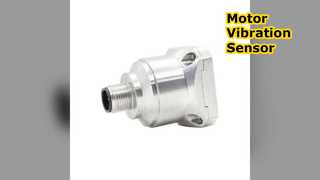
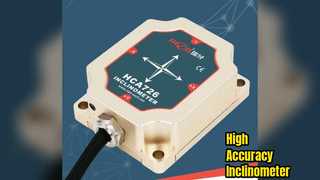
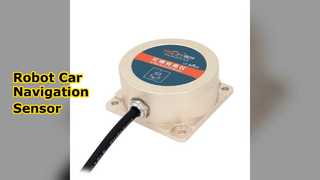
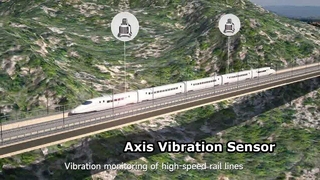
Brief: Learn how the AKF398 3 Axis Vibration Sensor with 4-20mA output can streamline typical workflows and improve reliability. This video provides an in-depth walkthrough of its triaxial measurement capabilities, robust construction for harsh environments, and practical applications in industries like wind power, traffic monitoring, and heavy machinery.
Related Product Features:
Simultaneously measures vibration across three axes (X, Y, Z) for comprehensive motion analysis.
Provides a standard 4-20mA current output for reliable long-distance signal transmission.
Operates with a wide power supply range from 9 to 36V DC for flexible integration.
Features excellent bias stability and low power consumption for consistent performance.
Withstands harsh conditions with an operating temperature range of -40°C to +85°C.
Offers IP67 protection grade for dust and water resistance in industrial settings.
Utilizes a robust single crystal silicon capacitive sensor for accurate and stable output.
Compact size (34.3x34.3x38.5mm) and lightweight design for easy installation.
FAQs:
What is the output signal of the AKF398 vibration sensor?
The AKF398 provides a 4-20mA analog current output, which is a standard industrial signal ideal for long-distance transmission and multi-sensor networking.
In which applications is the AKF398 sensor commonly used?
It is widely used for crash recording, fatigue monitoring, wind power generation, traffic system monitoring, large machinery, bridge health monitoring, and vehicle vibration analysis.
What is the operating temperature range for the AKF398 sensor?
The sensor operates reliably in temperatures from -40°C to +85°C, making it suitable for both extreme cold and high-temperature industrial environments.
How many axes does the AKF398 sensor measure?
It is a triaxial sensor, meaning it measures vibration simultaneously in the X, Y, and Z axes for a complete picture of dynamic motion.